True Peak: Is –1 dBTP Really Important?
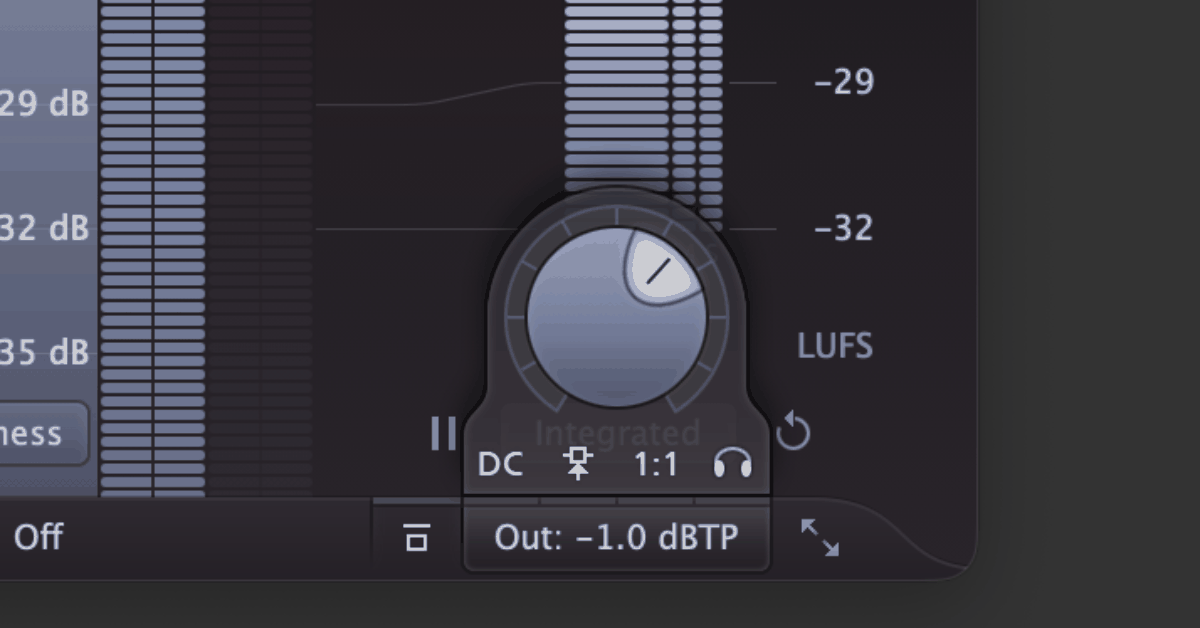
Delivering masters at –1 dBTP has become a common recommendation for streaming platforms. In some cases, platforms even suggest –2 dBTP for very loud masters.
But why does this margin matter — especially when many releases are still delivered peaking at 0 dBFS?
Sample peak vs true peak: a common misunderstanding
A master peaking at 0 dBFS isn’t necessarily safe. Due to intersample peaks, the reconstructed analog waveform can exceed 0 dBFS — and therefore 0 dBTP — even when the digital samples themselves do not clip.
In other words: many masters hitting 0 dBFS are already technically clipping, even before encoding.
Lossless playback: usually not a major issue
In WAV or FLAC playback, this rarely causes audible problems:
- Modern DACs handle intersample peaks well
- Audible clipping in lossless playback is uncommon
So this isn’t where the main risk lies.
The real problem: lossy encoding
The real issue begins with lossy codecs, such as AAC, Ogg Vorbis and MP3.
Streaming platforms transcode your master into these formats. During encoding, the codec reconstructs the signal, which can:
- Create new intersample peaks
- Generate peaks higher than the source
With a 0 dBFS master, this increases the risk of added distortion, harshness, reduced punch and loss of clarity. A clean master can end up sounding worse after upload.
Loudness war vs best practices
So why are many masters still delivered at 0 dBTP? The loudness war. Every 0.1 dB can feel competitive, so limiters often get pushed to the edge — sometimes at the expense of streaming translation.
My delivery approach
To balance quality and real-world use cases:
- –1 dBFS / –1 dBTP → streaming platforms
- 0 dBFS → CD & DJs (e.g. Beatport, which doesn’t normalize)
Conclusion
Yes — the audible difference between a lossy encode from a –1 dBFS source vs 0 dBFS is often subtle. But mastering is a craft of subtlety. And ensuring a master translates optimally across all playback platforms is a core part of the mastering engineer’s role.